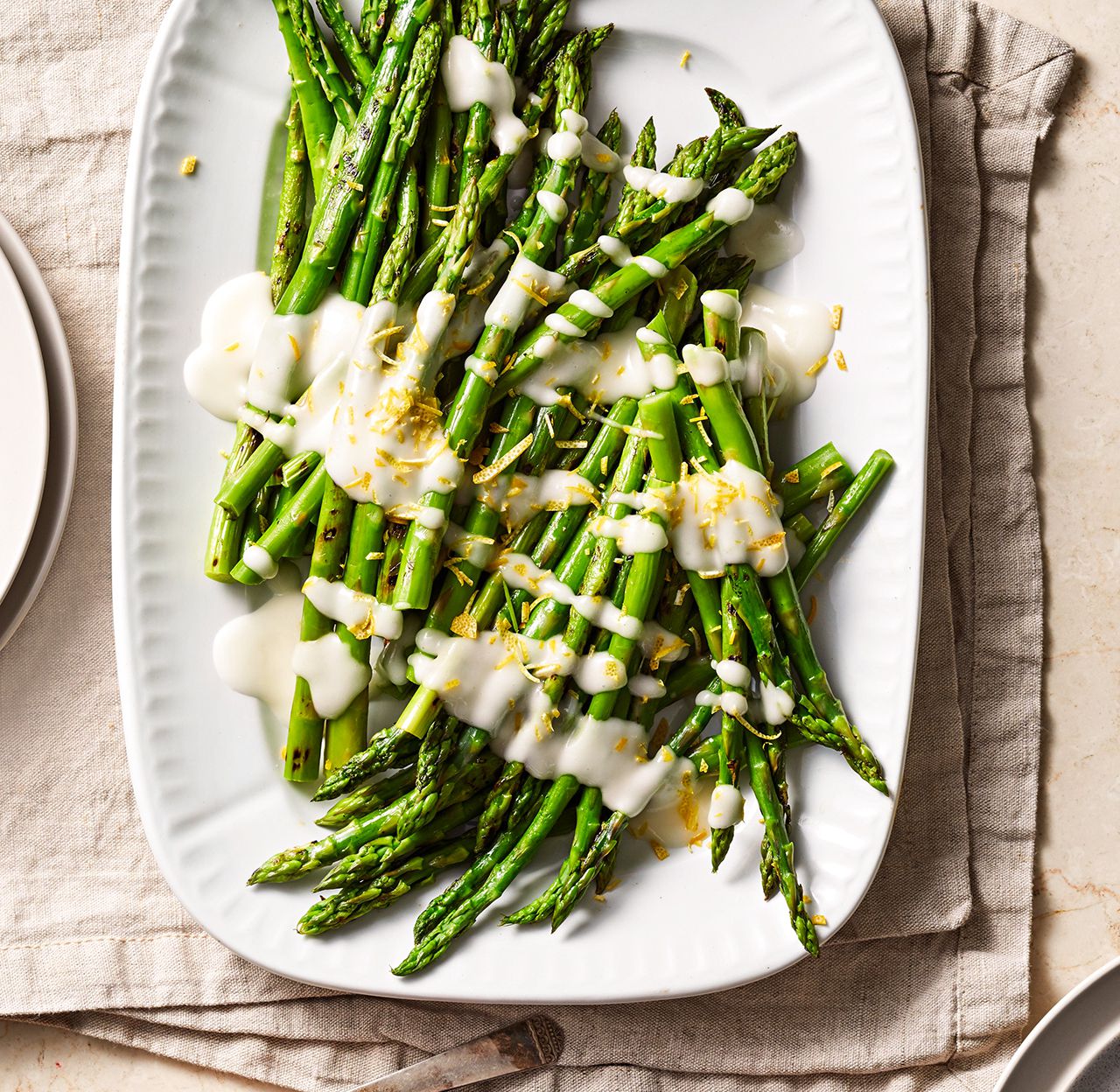
Asparagus, with its elegant spears and vibrant green hue, promises a taste of spring with every bite. Yet, for many home cooks, this seemingly simple vegetable can be a source of frustration. Have you ever ended up with limp, mushy spears, or perhaps ones that were still tough and fibrous? If so, you're not alone. Mastering how to cook asparagus perfectly – tender-crisp, bright, and bursting with flavor – is a culinary skill that transforms this versatile vegetable from an afterthought to a meal's star. This comprehensive guide will reveal the secrets to asparagus perfection, from selecting the freshest stalks to employing the best cooking methods and unlocking its full flavor potential.
My own journey with asparagus wasn't always smooth. I used to approach it with trepidation, often resulting in uninspired, overcooked results. But through experimentation and learning the nuances of preparation and cooking, asparagus quickly became one of my most cherished seasonal staples. Its earthy, bright notes complement an incredible array of dishes, from a simple weeknight meal to an elegant dinner party spread. Forget the days of uninspiring greens; get ready to consistently create asparagus dishes that are nothing short of delicious.
The Culinary Transformation: From Asparagus Aversion to Admiration
There's a reason asparagus is celebrated as a herald of spring. When it's in season, typically from March through June, it's at its most tender, flavorful, and affordable. Cooking with seasonal produce not only supports local agriculture but also ensures you're getting the best possible taste and nutritional value. Asparagus is a nutritional powerhouse, packed with vitamins K, A, C, and folate, making it a healthy and delicious addition to any plate.
What makes asparagus truly special is its incredible versatility. It effortlessly elevates a meal without demanding a long list of ingredients or complex techniques. Whether you're looking for a quick side dish, an elegant appetizer, or a vibrant addition to a main course, knowing how to cook asparagus means you have a powerful culinary tool at your fingertips. It plays beautifully with so many flavors – from the zesty brightness of lemon and the pungency of garlic to the rich depth of olive oil and Parmesan. It's the kind of vegetable that tastes luxurious but is remarkably simple to prepare.
Mastering the Fundamentals: Buying, Trimming, and Flavoring Asparagus
Before you even think about cooking, the journey to perfect asparagus begins with careful selection and proper preparation. These foundational steps are crucial for achieving that desired tender-crisp texture and vibrant flavor.
Selecting the Best Asparagus: What to Look For
Think of buying asparagus like selecting a bouquet of flowers – you want freshness and vibrancy. Here’s what to keep an eye out for:
- Firm, Bright Green Stalks: The spears should feel rigid and snap easily. Avoid any that appear limp, rubbery, or have a dull, faded green color.
- Tightly Closed Tips: The tips are the most delicate part and a key indicator of freshness. They should be compact and not splayed open or slimy.
- Avoid Dried-Out Ends: The cut ends should ideally look fresh, not shriveled or excessively woody. While you’ll trim these anyway, excessively dry ends can indicate older produce.
- Thin to Medium Spears: While thick spears can be delicious, thin to medium ones tend to be more tender and cook more evenly and quickly. If you do opt for thicker spears, they may require slightly longer cooking times.
- Uniform Thickness: For even cooking, especially when roasting, grilling, or pan-frying, try to select a bunch where the spears are roughly the same diameter. This ensures they all reach perfect doneness at the same time.
Once home, store your asparagus properly to maintain freshness. Treat it like fresh flowers: stand the spears upright in a jar with an inch or two of water, cover loosely with a plastic bag, and refrigerate. It can stay fresh this way for several days.
The Art of Trimming: Preparing Your Spears
The bottom portion of an asparagus spear is woody and fibrous, making it unpleasant to eat. Removing this part is essential. There are two primary methods:
- The Snap Method: This is a classic for a reason. Take an individual spear and bend it gently near the bottom. It will naturally break at the point where the tough, woody end meets the tender, edible stalk. This method is intuitive but can be a bit time-consuming if you have a large bunch.
- The Cut Method: For efficiency, especially with many spears, line them up on a cutting board. Identify where the majority of the spears naturally break (you can do a quick snap test with one or two). Then, using a sharp knife, simply cut off the bottom inch or two from the entire bunch. This method is faster and ensures a uniform length, which also aids in even cooking.
Whichever method you choose, don't discard those woody ends just yet! They can be used to make vegetable stock, adding a subtle asparagus flavor.
The Foundation of Flavor: Simple Seasonings for Success
Asparagus shines with minimal seasoning, allowing its natural flavor to come through. These pantry staples are your best friends:
- Good Quality Olive Oil: Essential for roasting, pan-frying, and grilling, providing a lovely richness and helping achieve crispness.
- Sea Salt: Enhances all other flavors. Season generously but appropriately.
- Freshly Ground Black Pepper: Adds a subtle warmth and aromatic depth.
- Fresh Lemon Juice: A squeeze of lemon at the end brightens the asparagus, cutting through any richness and awakening its earthy notes. It’s truly a game-changer.
Beyond these basics, feel free to experiment with optional enhancements:
- Minced Garlic: Adds a wonderful aromatic layer, especially when roasted or pan-fried.
- Butter: For extra richness, toss with a knob of butter at the end of cooking.
- Grated Parmesan Cheese: A sprinkle of nutty Parmesan after cooking adds a savory, umami kick.
- Chili Flakes: A pinch provides a gentle heat that complements the asparagus beautifully.
- Fresh Herbs: Chopped parsley, chives, tarragon, or dill can add a fresh, aromatic finish.
Your Guide to Perfection: How to Cook Asparagus Using Top Methods
Now for the main event: mastering the various cooking techniques. The key to success, regardless of method, is to cook until tender-crisp – firm enough to have a slight bite, but yielding easily.
1. Roasting Asparagus: My Go-To for Sweetness and Crispness
Roasting is arguably the most beloved method for how to cook asparagus. It brings out the vegetable's natural sweetness, creates delightful caramelization, and requires minimal hands-on effort. It's perfect for family dinners or when you're preparing multiple dishes.
Method:
- Preheat Oven: Set your oven to a hot 425°F (220°C). High heat is crucial for crisp exteriors and tender interiors.
- Prepare & Season: On a baking sheet (preferably lined with parchment paper for easy cleanup), spread the trimmed asparagus spears in a single layer. Drizzle generously with olive oil, then sprinkle with sea salt and freshly ground black pepper. Toss gently with your hands to ensure every spear is evenly coated.
- Roast: Place the baking sheet in the preheated oven. Roast for 12-18 minutes, depending on the thickness of your spears and your desired doneness. Thinner spears will cook faster. You want them tender when pierced with a fork, with slightly browned tips and stalks.
- Finish: Immediately after removing from the oven, squeeze fresh lemon juice over the asparagus. For an extra touch, you can also sprinkle with grated Parmesan cheese or fresh herbs.
Why I Love It: Roasting is incredibly forgiving and delivers consistently delicious results. The hands-off nature allows you to focus on other parts of your meal. The heat transforms the asparagus, making it slightly sweet and wonderfully caramelized. For more detailed instructions on this and other roasting techniques, check out our guide on Cook Asparagus Perfectly: 5+ Methods & Expert Tips for Tender Spears.
2. Pan-Frying Asparagus: Quick, Easy, and Flavorful
When time is of the essence, pan-frying is an excellent choice. It cooks asparagus quickly on the stovetop, resulting in tender spears with a slight char and rich flavor.
Method:
- Heat Skillet: Heat 1-2 tablespoons of olive oil (or a mix of olive oil and butter) in a large skillet over medium-high heat. Ensure the skillet is large enough to hold the asparagus in a single layer.
- Sauté: Once the oil is shimmering, add the trimmed asparagus spears to the skillet. Season with salt and pepper. Sauté, tossing occasionally, for 5-8 minutes. For added flavor, you can add minced garlic during the last minute of cooking to prevent burning.
- Check Doneness: The asparagus should turn a bright green, become tender-crisp, and have a few lightly browned spots.
- Serve: Remove from heat, finish with a squeeze of fresh lemon juice, and serve immediately.
Pro Tip: Don't overcrowd the pan. If you have a large batch, cook in two separate batches to ensure even cooking and proper browning.
3. Air-Frying Asparagus: The Crispy Revolution
The air fryer has revolutionized many kitchens, and asparagus is no exception. Air-frying yields beautifully crisp-tender asparagus with minimal oil, making it a fantastic healthy option that's quick and efficient.
Method:
- Preheat Air Fryer: Preheat your air fryer to 375-400°F (190-200°C), depending on your specific model.
- Season: In a bowl, toss the trimmed asparagus with 1-2 tablespoons of olive oil, salt, and pepper. You can also add garlic powder or a pinch of chili flakes for extra flavor.
- Air Fry: Place the seasoned asparagus in a single layer in the air fryer basket. You may need to cook in batches to avoid overcrowding, which can lead to steaming rather than crisping.
- Cook: Air fry for 7-10 minutes, shaking the basket halfway through to ensure even cooking. Cook until the asparagus is tender-crisp and lightly browned.
- Finish: Transfer to a serving dish and finish with a fresh squeeze of lemon juice or a sprinkle of Parmesan.
Why It's Great: Air-fried asparagus offers a delightful texture – slightly crisp on the outside, tender on the inside – with very little oil. It's quick, easy, and cleanup is a breeze. For more innovative methods including air frying, see our article From Roasted to Air-Fried: Master 5 Easy Asparagus Cooking Methods.
Beyond the Basics: Expert Tips for Asparagus Mastery
Achieving consistently perfect asparagus is about more than just following a recipe. Keep these expert tips in mind:
- Don't Overcrowd: This is perhaps the most critical rule for any cooking method involving dry heat (roasting, pan-frying, air-frying). Crowding the pan or basket traps steam, preventing caramelization and resulting in limp, steamed asparagus instead of crisp-tender.
- Season Generously, But Taste: Salt is crucial for bringing out flavor, but always taste and adjust. A pinch of flaky sea salt at the end can add a beautiful textural element.
- Doneness Test: The easiest way to check if asparagus is done is to pierce a spear with a fork. It should offer slight resistance but be tender enough to easily go through. Another indicator is its vibrant green color; dull green often means overcooked.
- Serve Immediately: Asparagus is best enjoyed fresh off the heat. Its texture and vibrant color fade quickly upon standing.
- Batch Cook for Meal Prep: Cook a larger batch of roasted or air-fried asparagus at the beginning of the week. It reheats well in the oven or air fryer, making it a convenient healthy side for various meals.
- Pairing Prowess: Asparagus is a fantastic companion to roasted chicken, grilled fish, steak, eggs (think brunch!), pasta dishes, or simply as a light appetizer with a dipping sauce.
Mastering how to cook asparagus is a small culinary victory that yields big rewards. By paying attention to selection, proper trimming, basic seasoning, and choosing the right cooking method for your needs, you can transform this humble vegetable into a vibrant, tender-crisp dish every single time. Experiment with different seasonings and finishes to discover your personal favorite way to enjoy this spring staple. Say goodbye to mushy spears and hello to asparagus perfection!
